Solving Cavitation: A Technical Guide by GIDROXs Senior Engineers
Cavitation is a big word, but it describes a common problem in machines that use liquids, especially in pumps and propellers. When the pressure in a liquid drops too low, tiny bubbles can form. These bubbles grow and then suddenly collapse, creating shockwaves. This can cause damage to the equipment over time. At GIDROX, we know how important it is to solve cavitation problems. If left unchecked, cavitation can lead to costly repairs and downtime for businesses. Understanding what cavitation is and how to deal with it can help keep your machines running smoothly and your business profitable.What is Cavitation and Why Does It Matter for Your Business?
Cavitation happens when there is a drop in pressure within a liquid. Imagine you are trying to drink a milkshake through a straw. If you suck too hard, you might create bubbles in the shake. This is similar to what happens in pumps. When the pressure drops too low, bubbles form in the liquid. These bubbles are not good. When they burst, they create shockwaves that can wear down surfaces and cause damage. For businesses that rely on pumps, propellers, or other machinery, cavitation can be a serious issue. It can lead to equipment failure, which means machines might stop working when they are needed most. This can delay projects and increase costs. A company might lose money if it has to shut down production to fix broken equipment. Therefore, knowing how to prevent and fix cavitation is very important. It saves money and keeps everything running smoothly. At GIDROX, we focus on helping businesses understand cavitation and how to avoid it. Our experienced engineers can provide tips and solutions to keep your equipment in great shape.
How to Identify Cavitation Issues in Your Equipment
Identifying cavitation in your equipment can save you from bigger problems later. The first sign of trouble is often noise. If you hear a strange rattling or knocking sound coming from your pump, it might be a sign of cavitation. This noise is the sound of bubbles forming and collapsing. Another sign is a drop in performance. If your pump is not moving as much liquid as it used to, or if it is using more energy, cavitation could be the cause. You might also notice vibrations. If your equipment starts shaking more than usual, it could be a warning sign. Checking the pressure in your system is another way to find out if cavitation is happening. If the pressure readings are lower than normal, it could mean that cavitation is starting. Visual inspections can also help. Look for wear and tear on the surfaces of your equipment. If you see pitting or erosion, it might be time to investigate further. Regular maintenance checks can help catch cavitation early. At GIDROX, we recommend that businesses develop a routine inspection schedule. This way, you can identify issues before they lead to expensive repairs or replacements. Keeping an eye on noise, performance, pressure, and surface condition can help you protect your equipment and avoid cavitation problems.
What Are the Best Practices for Preventing Cavitation?
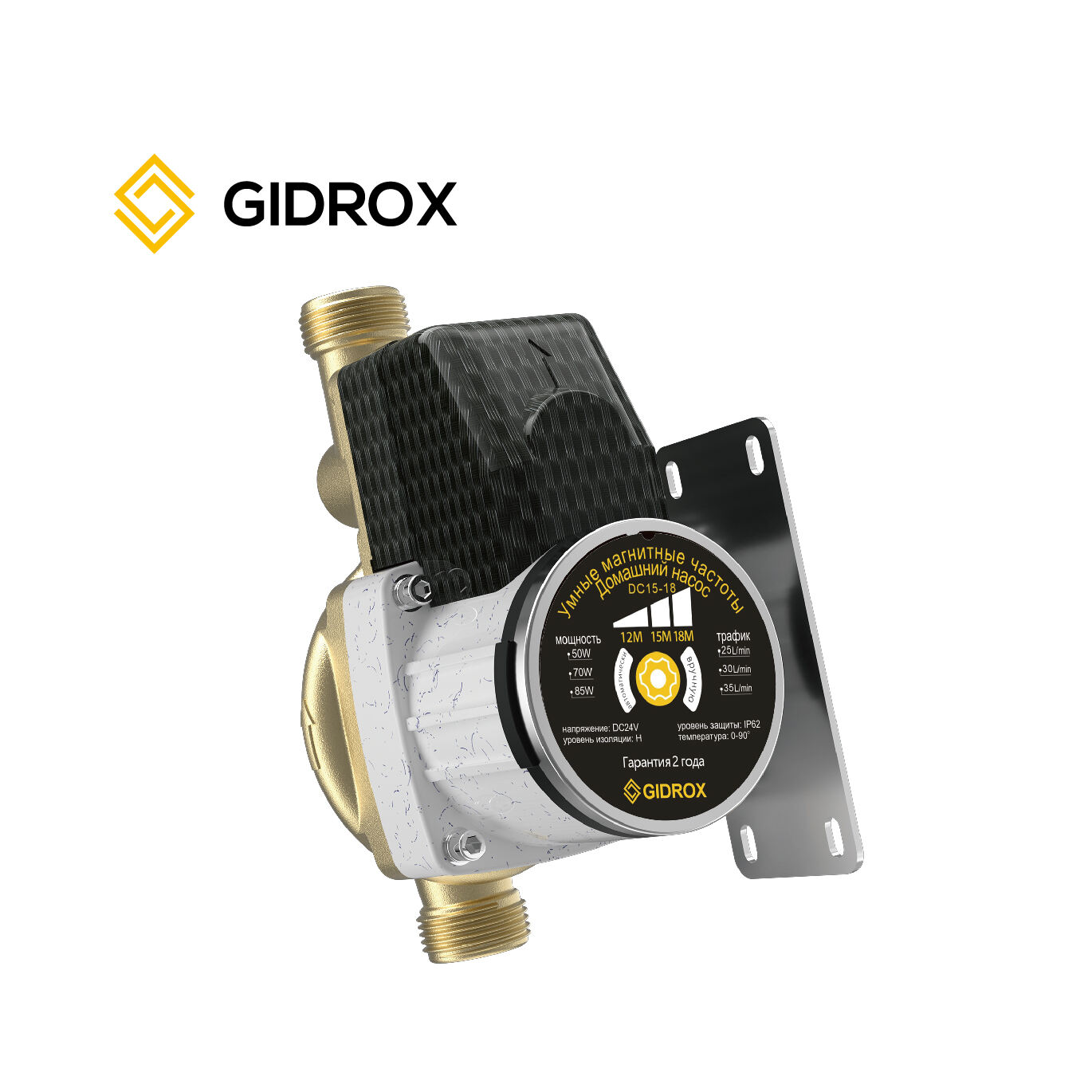
Cavitation is when tiny bubbles form in a liquid, usually because of changes in pressure. These bubbles can cause damage to machines, especially in pumps and propellers. To stop cavitation, companies like GIDROX follow some best practices. First, it is important to choose the right pump for the job. If a pump is too small or too weak, it might create the perfect conditions for cavitation. GIDROX engineers always make sure to select pumps that match the needs of the system they are working on.
Another way to prevent cavitation is to maintain the right temperature and pressure in the liquid. If the liquid is too hot or the pressure is too low, bubbles can form. GIDROX suggests keeping an eye on these factors and making adjustments when necessary. It is also important to keep the liquid moving. If the liquid stays still for too long, it can lead to cavitation. Therefore, GIDROX engineers often design systems that promote good flow.
Regular maintenance is another key practice. By checking pumps and pipes for wear and tear, GIDROX helps to catch problems before they cause cavitation. Engineers also look for signs of cavitation, such as unusual noise or vibrations. If they notice these signs, they can fix the issue before it becomes a bigger problem. Finally, training workers is crucial. GIDROX makes sure that everyone understands how to spot and prevent cavitation. When all team members know what to look for, it helps keep machines running smoothly and safely.
How to Optimize Product Quality by Addressing Cavitation
Cavitation can harm the quality of products, especially in industries like food processing or chemical manufacturing. GIDROX knows that addressing cavitation is key to ensuring high-quality products. When cavitation occurs, it can cause uneven mixing or even damage to the products being made. This means that businesses can lose money and customers if they do not pay attention to this issue.
To optimize product quality, GIDROX engineers work on designing systems that minimize the risk of cavitation. They create equipment that helps keep the pressure and temperature stable. For example, they might use special valves that control the flow of liquids, ensuring that everything stays at the right level. This helps prevent cavitation and keeps the product quality high.
Another important step is to test products regularly. GIDROX uses advanced technology to monitor the production process. This allows them to catch any signs of cavitation early and make adjustments right away. By doing so, they can maintain a consistent product quality that customers can trust.
Training is also vital for optimizing product quality. GIDROX teaches employees about the effects of cavitation and how to avoid it. When workers are knowledgeable, they can better control the production process, leading to fewer mistakes and higher-quality products. Overall, by focusing on preventing cavitation, GIDROX helps businesses improve their product quality and customer satisfaction.
What Trends Are Shaping the Future of Cavitation Technology?
The world of cavitation booster pump for home technology is always changing, and GIDROX is at the forefront of these trends. One major trend is the use of advanced materials that can withstand the effects of cavitation. Engineers are now looking for stronger materials that can resist damage from bubbles forming and collapsing. This means that pumps and other equipment will last longer, making them more cost-effective for businesses.
Another trend is the use of smart technology. GIDROX is exploring ways to use sensors and data to monitor systems in real-time. This technology can help detect cavitation as it happens. By using smart systems, businesses can react quickly to prevent damage and maintain product quality. This is important because it saves money booster pump for home and improves efficiency.
Sustainability is also shaping the future of cavitation technology. Companies are now focusing on creating energy-efficient systems that reduce waste. GIDROX is committed to developing solutions that not only prevent cavitation but also protect the environment. For instance, they are working on pumps that use less energy and produce less noise.
Lastly, collaboration is becoming more important. GIDROX is partnering with other companies and researchers to share knowledge and improve cavitation solutions. By working together, they can develop new technologies that will benefit water booster pump for home everyone. This trend shows that the future of cavitation technology is bright, as GIDROX continues to lead the way in innovation and excellence.